
This blog contains practical tips for choosing the right drywall professional for your home. You will learn what to check before hiring, how the installation process works, which questions to ask, and what quality workmanship should look like. These simple steps can help you avoid costly mistakes and enjoy a smoother, cleaner finished space.
A smooth wall may look simple, but good drywall work takes careful planning, accurate measurements, proper fastening, and patient finishing. If the panels are poorly installed, small flaws can quickly become visible under paint or lighting. That is why choosing experienced drywall contractors Charlotte NC can make a real difference when you want clean walls that last.
You should look beyond a quick quote. A good contractor should understand your project, explain the work clearly, prepare the space properly, and stand behind the finished result. After all, nobody wants to spend money fixing work that should have been done right the first time.
Start With the Project, Not Just the Price
Before hiring anyone, define what your home actually needs. Are you installing drywall in a new room? Replacing damaged panels? Finishing a basement? Remodeling several rooms? Your answer can affect the materials, labor, preparation, and finishing work required.
Ask contractors to inspect the project before giving a final estimate. They should consider wall dimensions, ceiling height, framing, moisture concerns, access, electrical work, and existing surfaces. A detailed estimate is far more useful than a number pulled out of thin air.
You should also ask what the quote includes. Does it cover materials, installation, taping, joint compound, sanding, cleanup, and preparation for painting? Clear answers now can prevent awkward surprises later.
What Does a Quality Drywall Installation Process Look Like?
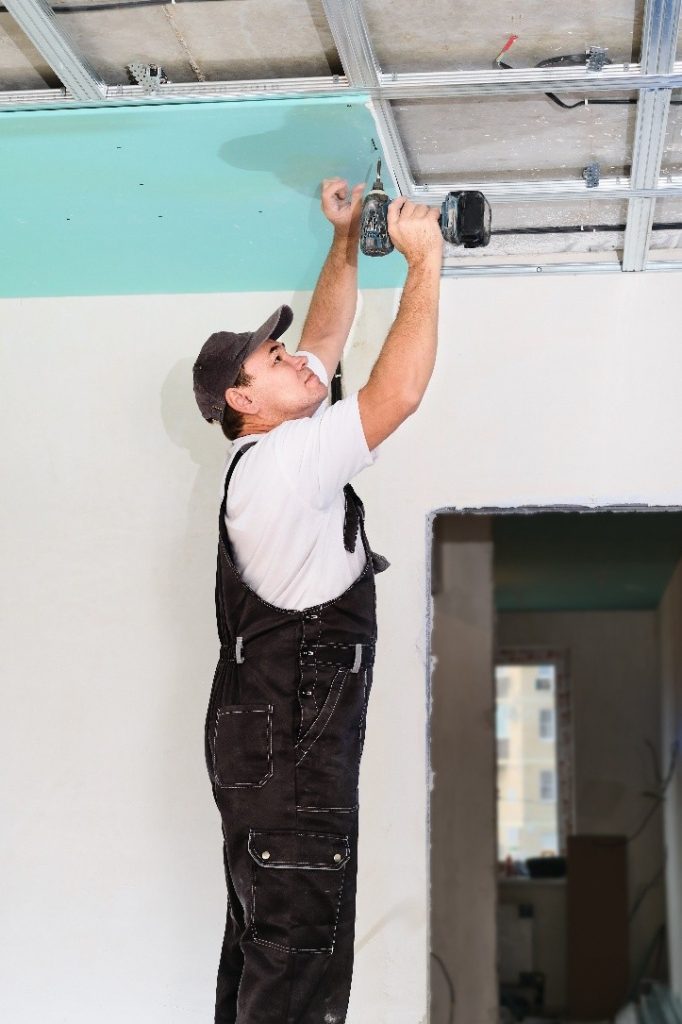
Professional installation follows a logical process. First, the contractor checks the framing and confirms that the surfaces are ready. Next, drywall panels are measured and cut to fit the walls or ceilings. The panels are then secured with the right fasteners and placed carefully to create stable, even surfaces.
After installation, the joints receive tape and joint compound. This stage takes patience. Contractors usually apply multiple coats, allowing each layer to dry before sanding and smoothing it. Corners, screw holes, seams, and edges all need attention.
For homeowners comparing drywall contractors Rock Hill SC, asking about this process can reveal a lot. A contractor who explains each stage clearly is easier to trust than one who simply promises a “perfect finish” without explaining how it will be achieved.
Which Questions Should You Ask Before Hiring?
A few smart questions can save you plenty of trouble. Ask how long the contractor has handled similar projects and whether they have experience with your type of installation. You can also ask who will perform the work and how the team handles unexpected issues.
Request a written estimate that clearly explains labor, materials, preparation, finishing, and cleanup. If painting is part of your larger project, ask whether the drywall will be properly prepared before paint is applied.
It is also worth checking reviews and looking at previous projects. Photos can help you judge seam quality, corner finishing, ceiling work, and overall attention to detail. Good workmanship should not need smoke and mirrors. The finished walls should speak for themselves.
How Can You Tell When the Finished Work Is Good?
Once installation begins, pay attention to the details. Panels should sit securely without obvious movement. Seams should be properly covered, screw heads should not stand out, and corners should look straight and clean. After sanding, the surface should feel smooth rather than rough or uneven.
Lighting can reveal problems that are easy to miss during installation. Walk around the room and check the walls from different angles. Look for visible ridges, dents, cracks, or uneven patches. Small imperfections can become much more noticeable once paint is added.
Your contractor should also keep the work area reasonably clean. Drywall creates plenty of dust, so proper cleanup matters. A careful team protects nearby floors and surfaces and leaves the space ready for the next stage of your project.
Why Does Experience Matter for Your Home?
Drywall installation is more than hanging panels. The finished surface needs to support the look of the entire room. Poor seams can show through paint, uneven corners can affect trim, and rushed sanding can leave shadows across otherwise beautiful walls.
Experienced drywall contractors Charlotte NC know that preparation and finishing are just as important as installation itself. They can identify potential problems early, recommend practical solutions, and work around the unique conditions of your home.
Whether you are updating one room or completing a larger renovation, choosing the right professional can help you avoid unnecessary repairs and delays. Take your time, compare estimates, ask direct questions, and focus on workmanship rather than price alone.
Planning a drywall project? Talk withDabenge Painting & Drywall LLC for professional installation focused on clean seams, precise fitting, smooth finishing, and dependable workmanship.
Final Remarks
Choosing a drywall contractor should come down to more than finding the lowest estimate. Look for clear communication, relevant experience, careful preparation, quality finishing, and a process you can understand. When the work is done properly, your walls provide a smooth foundation for painting, trim, lighting, and the rest of your home’s design.
FAQs
1. How long does drywall installation usually take?
The timeline depends on room size, ceiling height, panel count, repairs, and finishing needs. A contractor can provide a more accurate project schedule after inspection.
2. Should drywall be installed before painting?
Yes. Drywall should be installed, taped, finished, sanded, and properly prepared before primer and paint are applied.
3. How can you check drywall workmanship?
Look for secure panels, smooth seams, straight corners, covered screw heads, even surfaces, and minimal visible imperfections under normal lighting.
4. Can drywall contractors repair existing walls?
Yes. Many contractors handle holes, cracks, damaged sections, water-related damage, and other drywall repairs before refinishing the surface.
5. Should you get multiple drywall estimates?
Comparing estimates can help you understand pricing, materials, project scope, timelines, and what each contractor includes in the work.